
Every child's well-being matters.
Types of Abuse Articles
Quick Access
Abuse of Authority
Abuse of Discretion
Abuse of Power
Behavioural Indications
Breast Ironing
County Lines
Cultural Differences (Physical Abuse)
Domestic Abuse
Economic Abuse
Emotional Signs
Exposure to Substance Abuse
Failure to Thrive
Female Genital Mutilation (FGM)
Forced Marriage
Hate Crimes & Targeted Harassment
Impact of Domestic Violence
Impact of Environment
Impact on Development
Institutional Abuse
Isolation
Modern Slavery
Neglect
Online Abuse
Parental Behaviours
Physical Abuse
Radicalisation
Religious Abuse
Restraint
Sexual Abuse
Types of Abuse
Witnessing Domestic Abuse
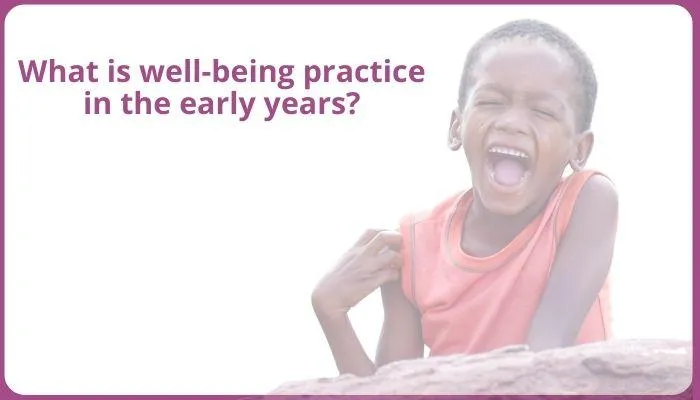
What does well-being practice look like for children in the early years?
Encouraging children to flourish into well-rounded individuals requires a concerted effort from parents, educators, and other influential figures. By fostering an environment filled with love, encouragement, and opportunities for growth, we contribute to their overall development.
In practical terms, this might involve spending 'proper', quality time with children, engaging in conversations that stimulate their curiosity, and actively participating in their interests. Whether it's physical activity, exploring nature, or pursuing creative endeavours, these experiences contribute significantly to a child's emotional and cognitive development.
In the realm of education, creating learning environments that cater to individual strengths and interests is essential. Providing a variety of learning materials, encouraging critical thinking, and allowing room for exploration help children develop a love for learning that extends in all areas of their life.
Instilling a sense of responsibility and independence is crucial for their social and emotional development. Teaching them to make choices, solve problems, and manage their time builds essential life skills that will serve them well in adulthood.
As children navigate the complexities of their early years, guidance and support become paramount. Open communication channels between parents, teachers, and caregivers ensure a cohesive approach to addressing challenges and fostering a positive atmosphere.
In conclusion, investing in the well-being of children goes beyond ensuring their basic needs are met. It involves actively engaging with their physical, emotional, social, and cognitive development. By providing a supportive and enriching environment, we empower children to grow into resilient, self-assured, and successful individuals, laying the groundwork for a fulfilling future.
AUTHOR:- Iona has nearly 10 years of experience supporting nurseries and childminders in curriculum planning, leadership, and safeguarding. Her writing is informed by public information and sector insight, aiming to provide accessible, practical support for professionals working with children. She is part of the On the Button team, helping deliver Well-being, Safeguarding and Complaint Management Software that empowers practitioners to identify concerns early and act confidently.
On the Button provides innovative software tailored to the needs of the early years sector, with a strong focus on EYFS well-being and early years safeguarding. Our tools help senior practitioners to confidently track concerns, maintain robust records, and respond effectively — all while meeting statutory guidance. From early years complaint management to team-wide safeguarding alerts, our platform puts children's safety and emotional health first.

Quick Access
Abuse of Authority
Abuse of Discretion
Abuse of Power
Behavioural Indications
Breast Ironing
County Lines
Cultural Differences (Physical Abuse)
Domestic Abuse
Economic Abuse
Emotional Signs
Exposure to Substance Abuse
Failure to Thrive
Female Genital Mutilation (FGM)
Forced Marriage
Hate Crimes & Targeted Harassment
Impact of Domestic Violence
Impact of Environment
Impact on Development
Institutional Abuse
Isolation
Modern Slavery
Neglect
Online Abuse
Parental Behaviours
Physical Abuse
Radicalisation
Religious Abuse
Restraint
Sexual Abuse
Types of Abuse
Witnessing Domestic Abuse
What does well-being practice look like for children in the early years?
Encouraging children to flourish into well-rounded individuals requires a concerted effort from parents, educators, and other influential figures. By fostering an environment filled with love, encouragement, and opportunities for growth, we contribute to their overall development.
In practical terms, this might involve spending 'proper', quality time with children, engaging in conversations that stimulate their curiosity, and actively participating in their interests. Whether it's physical activity, exploring nature, or pursuing creative endeavours, these experiences contribute significantly to a child's emotional and cognitive development.
In the realm of education, creating learning environments that cater to individual strengths and interests is essential. Providing a variety of learning materials, encouraging critical thinking, and allowing room for exploration help children develop a love for learning that extends in all areas of their life.
Instilling a sense of responsibility and independence is crucial for their social and emotional development. Teaching them to make choices, solve problems, and manage their time builds essential life skills that will serve them well in adulthood.
As children navigate the complexities of their early years, guidance and support become paramount. Open communication channels between parents, teachers, and caregivers ensure a cohesive approach to addressing challenges and fostering a positive atmosphere.
In conclusion, investing in the well-being of children goes beyond ensuring their basic needs are met. It involves actively engaging with their physical, emotional, social, and cognitive development. By providing a supportive and enriching environment, we empower children to grow into resilient, self-assured, and successful individuals, laying the groundwork for a fulfilling future.
AUTHOR:- Iona has nearly 10 years of experience supporting nurseries and childminders in curriculum planning, leadership, and safeguarding. Her writing is informed by public information and sector insight, aiming to provide accessible, practical support for professionals working with children. She is part of the On the Button team, helping deliver Well-being, Safeguarding and Complaint Management Software that empowers practitioners to identify concerns early and act confidently.
On the Button provides innovative software tailored to the needs of the early years sector, with a strong focus on EYFS well-being and early years safeguarding. Our tools help senior practitioners to confidently track concerns, maintain robust records, and respond effectively — all while meeting statutory guidance. From early years complaint management to team-wide safeguarding alerts, our platform puts children's safety and emotional health first.
What does well-being practice look like for children in the early years?
Encouraging children to flourish into well-rounded individuals requires a concerted effort from parents, educators, and other influential figures. By fostering an environment filled with love, encouragement, and opportunities for growth, we contribute to their overall development.
In practical terms, this might involve spending 'proper', quality time with children, engaging in conversations that stimulate their curiosity, and actively participating in their interests. Whether it's physical activity, exploring nature, or pursuing creative endeavours, these experiences contribute significantly to a child's emotional and cognitive development.
In the realm of education, creating learning environments that cater to individual strengths and interests is essential. Providing a variety of learning materials, encouraging critical thinking, and allowing room for exploration help children develop a love for learning that extends in all areas of their life.
Instilling a sense of responsibility and independence is crucial for their social and emotional development. Teaching them to make choices, solve problems, and manage their time builds essential life skills that will serve them well in adulthood.
As children navigate the complexities of their early years, guidance and support become paramount. Open communication channels between parents, teachers, and caregivers ensure a cohesive approach to addressing challenges and fostering a positive atmosphere.
In conclusion, investing in the well-being of children goes beyond ensuring their basic needs are met. It involves actively engaging with their physical, emotional, social, and cognitive development. By providing a supportive and enriching environment, we empower children to grow into resilient, self-assured, and successful individuals, laying the groundwork for a fulfilling future.
AUTHOR:- Iona has nearly 10 years of experience supporting nurseries and childminders in curriculum planning, leadership, and safeguarding. Her writing is informed by public information and sector insight, aiming to provide accessible, practical support for professionals working with children. She is part of the On the Button team, helping deliver Well-being, Safeguarding and Complaint Management Software that empowers practitioners to identify concerns early and act confidently.
On the Button provides innovative software tailored to the needs of the early years sector, with a strong focus on EYFS well-being and early years safeguarding. Our tools help senior practitioners to confidently track concerns, maintain robust records, and respond effectively — all while meeting statutory guidance. From early years complaint management to team-wide safeguarding alerts, our platform puts children's safety and emotional health first.
Main Menu

Find out who will support you and listen to your ideas about On the Button, with the aim that safeguarding is paramount in nurseries and preschools, with well-being, complaint management and compliance supported clearly alongside it.
Extra Info
On the Button, Quality Early Years Ltd. 10761378 (Est. 9th May 2017) Dickens House, Guithavon Street, Witham, Essex, England, CM8 1BJ
WhatsApp 07424 868955 Phone 01917 436785 © Quality Early Years Ltd 2026


